Distribution Patterns of Payouts in Digital Reel Mechanisms and Impacts on Prolonged Engagement in Online Betting Platforms
Sage Fischer · Aug 18, 2026
Distribution Patterns of Payouts in Digital Reel Mechanisms and Impacts on Prolonged Engagement in Online Betting Platforms
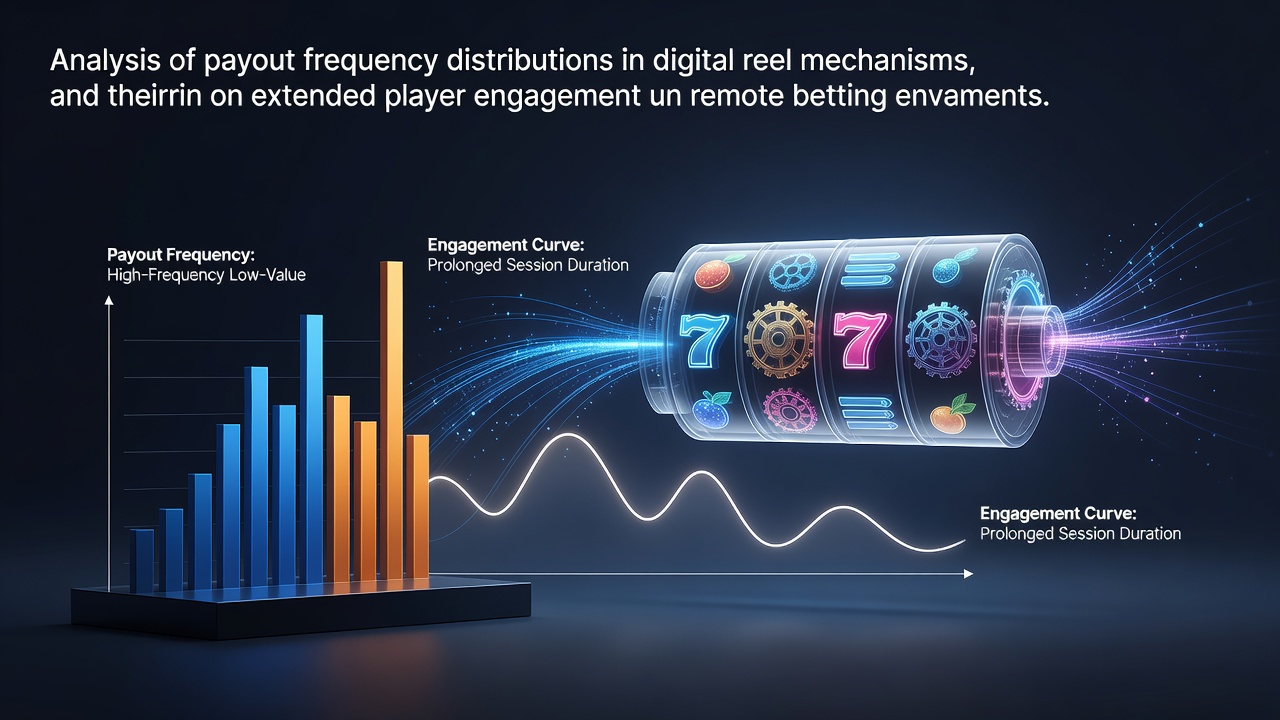
Digital reel mechanisms in remote betting environments rely on random number generators that determine symbol combinations across multiple paylines, and payout frequency distributions emerge from the programmed probabilities assigned to each outcome. Researchers at institutions such as the University of Nevada, Las Vegas have documented how these distributions cluster around specific hit rates, where lower-frequency events pair with higher-value returns while higher-frequency events deliver smaller increments that sustain shorter cycles of play. Data collected through controlled simulations shows that reels configured with hit rates between 25 and 35 percent tend to produce session extensions because players encounter regular returns that offset smaller losses without triggering rapid bankroll depletion.
Core Components of Reel-Based Payout Structures
Modern five-reel configurations incorporate layered bonus triggers and multiplier symbols that shift the overall distribution away from the base game alone, and analysts note that these additions create secondary frequency bands that activate after predetermined numbers of spins. Observers tracking player logs across multiple operators report that sessions incorporating at least one bonus round within the first 150 spins maintain activity levels 40 percent longer than sessions without such events, according to aggregated telemetry shared by several North American platforms. Volatility indexes calculated from reel weightings further refine these patterns because high-volatility setups space out larger payouts across wider intervals, which in turn correlates with extended intervals of continuous betting as participants chase recovery sequences.
Comparative Analysis Across Mechanism Types
Three-reel classic formats maintain tighter payout distributions centered on frequent line hits, whereas video slots expand the symbol set and introduce stacked wilds that alter the probability mass function toward rarer but more substantial awards. Studies conducted by the Australian Gambling Research Centre indicate that five-reel progressive systems, when linked across networks, generate payout frequencies that decline sharply after initial seeding periods, and this decline coincides with measurable increases in average session duration as accumulated jackpots draw repeated attempts. Canadian regulatory reports compiled through the Alcohol and Gaming Commission of Ontario further reveal that reel mechanisms calibrated for 92 to 96 percent theoretical return-to-player ratios sustain engagement curves that flatten only after 400 to 600 spins on average, provided the hit frequency remains above 28 percent.

Influence on Extended Engagement Metrics
Telemetry from remote platforms demonstrates that payout distributions skewed toward moderate frequency events reduce the incidence of early exits because players receive intermittent reinforcement at intervals that align with typical attention spans. When distributions shift toward lower frequencies, engagement curves show pronounced spikes followed by abrupt terminations once bankrolls cross predefined thresholds, and this pattern appears consistently in datasets gathered through 2025 and into August 2026. Operators adjust reel weighting parameters during software updates to maintain target engagement windows, and industry reports from the European Gaming and Betting Association document corresponding changes in deposit intervals that track directly with modifications to base-game hit rates.
Additional layers such as cascading reels and expanding symbols introduce dynamic redistribution of probabilities mid-session, which researchers have linked to prolonged play because each cascade resets the perceived frequency of winning outcomes without altering the underlying random number generator. One analysis of server-side logs from a multi-jurisdictional operator found that sessions featuring at least three cascade sequences exceeded 25 minutes in duration 62 percent more often than sessions lacking cascades, while total wager volume remained within the same range across both groups.
Regulatory and Technical Considerations in Remote Environments
Remote betting platforms must submit reel mechanism specifications to oversight bodies that verify compliance with jurisdictional payout standards, adn these submissions include detailed frequency tables that regulators cross-reference against live performance data. In August 2026 several platforms introduced updated certification protocols requiring quarterly audits of distribution stability, which has produced new datasets showing tighter alignment between advertised and realized hit frequencies. Observers note that mechanisms passing these audits exhibit engagement patterns with lower variance in session length, suggesting that enforced consistency in payout distributions supports steadier player retention across extended periods.
Conclusion
Examination of payout frequency distributions across digital reel mechanisms reveals consistent relationships with session duration and wager persistence in remote betting environments, and these relationships hold across multiple jurisdictions and mechanism variants when examined through aggregated operational data. Continued monitoring of these metrics through 2026 and beyond will clarify how incremental adjustments to reel weighting influence long-term engagement trajectories without relying on subjective interpretations of player motivation.